Spotless Finish Stump Removal & Grinding and Backfill
Stumps look harmless until they start lifting lawnmower decks, tripping kids, or pushing new suckers into your garden beds. They form a stubborn anchor for fungal rot, and they make every landscape project harder than it needs to be. Stump removal and grinding is the most decisive way to reclaim a yard, and when it is paired with thoughtful backfilling and surface restoration, the area becomes usable the same week. After twenty years on residential and commercial sites, I have learned that the details around access, utilities, soil structure, and follow-through make the difference between a tidy finish and a lingering headache.
Why a stump deserves a plan, not a guess
Every stump holds a record of the tree’s history. Species determines wood density and root spread. Old injuries show up as seams of rock-hard callus that can stop a small grinder dead. Yard conditions matter just as much. Irrigation lines often snake close to trunk flares. Fence posts and patios crowd root zones. If you do not map and control for these factors, you can notch a blade on a hidden rebar pin or sling chips through a neighbor’s window. Good work starts with a calm walkaround, then a short conversation about goals: a clean lawn finish, a patio footprint, a new tree, or just no more tripping hazard.
Stumps also connect with broader tree care decisions. If the tree came down due to decay at the root crown or aggressive pests, the stump can act as a reservoir. Grinding below grade reduces regrowth potential and limits pathogen spread. If the removal followed storm damage, emergency tree services typically stop at a safe takedown. The stump phase becomes a separate, scheduled job that finishes the site properly and returns the property to normal.
What “spotless finish” means on a real job
Spotless means you would not know there was a stump there by the time we leave, aside from a slightly looser patch of soil. It also means nothing around the work area looks chewed up. A grinder can process a lot of wood in minutes, and that energy has to be controlled. We set plywood shields to block flying chips, protect windows and siding, and preserve plantings. We carry ground-protection mats to keep turf from rutting during machine access. We stage the work so that fine cleanup happens in the last 30 minutes, after the big chips are hauled.
Once the root crown is ground to the agreed depth, we backfill with a blend that suits the surface plan. For sod-ready areas, we mix mineral soil with a portion of the stump grindings for structure, then cap with screened topsoil. For garden beds, we often keep more organic chip content, then top with compost to kickstart microbial activity. The finish grade sits slightly proud by an inch or two, anticipating natural settling over several waterings.
The anatomy of a thorough stump grind
Not all stumps need the same treatment. A mature Douglas fir with a three-foot flare demands a different approach than a small ornamental cherry. The anatomy, though, follows a reliable pattern.
The flare and buttress roots radiate in a star, often reaching a third to a half of the tree’s height in radius. The grinder’s job is to address both the central mass and the near-surface roots that will interfere with mowing and new hardscape. Typical residential grinds go 6 to 10 inches below grade to eliminate regrowth and avoid mower scalping. For slab footings, patios, or driveway extensions, we plan for 12 to 18 inches to accommodate base depth, and we trace primary laterals for several feet to avoid future telegraphing through pavers. Where irrigation trenches cross buttress roots, we feather the grind shallowly and hand-excavate to preserve lines.
Species matters. Maple and poplar grind relatively quick, but they throw many suckers if you leave lateral roots near the surface. Oak and locust are slower and spark more when you hit a small stone. Palm is its own category, fibrous and stringy, demanding sharp teeth and patience. Old stumps that have seasoned in place can feel like working ceramic. A seasoned pine stump may hide pitch pockets that gum the wheel if you push feed pressure too high. Experienced operators read feedback through the machine and adjust accordingly.
Utilities and what we refuse to guess about
Two rules guide safe stump work. If there is a chance of buried service within the work zone, we locate it. If the surface is too tight for safe machine operation, we change the plan. A certified arborist consultation before work pays for itself when it spots those hazards early. On many properties we request utility locates before grinding. Power laterals, water mains, telecom conduits, and irrigation lines often pass within the critical area. Utility locates mark public lines, not private irrigation or low-voltage lighting. For private systems, we test, trace, and sometimes hand dig. The grinder’s cutting wheel sits inches from the soil. It acts like a big router. It will not politely bounce off plastic.
Access constraints are equally practical. A compact handlebar grinder fits through a standard gate and handles most stumps up to 30 inches. For wider, deeper work, a tracked unit brings speed and control but needs more room. When space is tight, or roots run under a fence, we may segment the work over two visits or augment with hand tools. What we do not do is muscle a too-large machine across a delicate yard without protection. Turf repair is slower and more expensive than laying mats for an extra ten minutes.
Backfill that lasts, not just looks good today
Backfill is a quiet make-or-break step. If you dump chips into a cavity and rake them flat, the area will sink for months as the material decomposes and collapses. That is the shortcut that leads to ankle-twisting depressions and soggy spots. We monitor the ratio of wood fiber to mineral soil, manage moisture, and compact in lifts. Where a solid base is needed under pavers or concrete, we over-excavate woody material and import suitable base aggregate. If the plan is simply to blend into lawn, we mix and tamp, then float a thin https://charlieterv825.theburnward.com/book-a-certified-arborist-consultation-for-tree-care-plans topsoil layer and seed or lay sod.
Soil life matters as much as structure. Fresh chips tie up nitrogen temporarily, so if the area will support turf or ornamentals, we keep chips deep and cap with a more balanced growing medium. If garden planting is immediate, we use a compost topdress and a starter fertilizer with modest nitrogen to offset immobilization. Clients who plan to plant a replacement tree near the old location should wait off-center by at least 3 to 5 feet, and we often loosen a wider ring of subsoil to invite new roots into uncompacted ground.
What it costs and why pricing ranges make sense
Most residential stumps fall between 12 and 36 inches across. For stumps in that range, with average access, typical grinding and backfill runs from about 200 to 700 dollars per stump. Price scales with diameter, species hardness, root spread, access difficulty, depth requirements, and the number of stumps on site. Multiple stumps on one visit bring economies of scale. A single 16-inch birch in an open yard, ground to 8 inches and backfilled for sod, sits near the lower end. A 48-inch cedar up against a retaining wall with two sprinkler mains nearby, requiring 16-inch depth and hand-protected laterals, will land far higher. When a client wants us to chase lateral roots through garden beds to prevent all sucker regrowth, we set an hourly allowance and review progress after the first pass.
Hauling chips and importing soil also affects cost. Some clients want to keep grindings for pathways or as mulch under hedges. Others prefer a full removal and a clean topsoil cap. We provide both options. Material handling is time and fuel, which is why it belongs in the estimate.
How we decide between full stump removal and grinding in place
A true stump removal means digging, cutting, winching, and lifting the stump and major roots out, then backfilling the cavity with imported soil. It is slower and more invasive, but it gives the cleanest subgrade for structural hardscape. We recommend this when building footings, addressing invasive root systems near foundation drains, or when the client wants the root plate fully gone for new tree placement in the exact spot. Grinding is far more efficient for most yard conversions and lawns. The tradeoff is that some woody fiber remains underground, which is acceptable for turf, beds, and casual paths, but not for load-bearing surfaces.
FireSmart tree services and why stumps are part of that conversation
In wildfire-prone regions, FireSmart tree services focus on reducing ladder fuels, spacing crowns, and removing debris that can carry fire into the canopy. A cut stump leaves a mat of fine roots with trapped gases that can smolder under duff and flare later. Grinding below grade then backfilling with mineral soil removes that ignition source at the surface. During pruning or removal work on the broader property, we also look at crown spacing near structures, limb clearance above roofs, and ground-level fuel continuity. FireSmart planning is not dramatic. It is a measured set of choices that reduce risk by degrees, and finishing stumps properly is part of that steady risk reduction.
Certified arborist consultation and dangerous tree assessment
Many stump projects start with a certified arborist consultation, especially when the parent tree was removed for health reasons. Dangerous tree assessment and removal is a discipline built on evidence. We read decay patterns at the base, use a sounding hammer, probe, and sometimes a resistance drill. If the canopy shows dieback and the root collar is soft or mushroomed with conks, we document the risk and present a safe felling or dismantling plan. Once the tree is down, stump grinding becomes a hygiene step as much as a cosmetic one, removing a decay hub and settling the site.
Sometimes the verdict is not removal. During a consultation we might propose tree cable and bracing for a codominant trunk with an acute crotch or a split that still holds strong wood. Good structural support, combined with pruning to reduce lever forces, can extend the life of a significant tree. If the tree is retained, the stump conversation does not apply of course, but it shows how full-service tree care keeps options open until the evidence says otherwise.
The rhythm of a well-run stump day
A typical residential visit has a steady cadence. We arrive, confirm scope, mark utilities and irrigation zones on the ground paint we set during quoting, lay shields and mats, and run a safety check on the grinder. An average 24-inch stump in open access takes 30 to 60 minutes to grind to 8 to 10 inches below grade. Add time if we are tracing laterals or working in hard species. Chip management happens continuously. We do not let piles grow high at the workface, because weight on turf increases compaction. Once depth is verified with a probe, we fold back shields, sweep fines, and load out grindings if they are leaving. Backfill follows in lifts, tamped with a plate compactor for larger cavities. Final grade is set proud to allow for settling. If sod is part of the scope, we aim to place it the same or next day, since a compacted, leveled surface behaves best before rain and foot traffic disturb it.
Toward the end we take a slow pass for cleanup. Chips hide in shrub branches and on porch ledges. A spotless finish means you will not discover a debris halo two weeks later around your peonies.
When weather, slopes, or clay soils change the plan
Edge cases reward patience. Grinding on steep slopes increases the chance of machine creep and chip runout. We orient the grinder to cut across the slope rather than uphill when possible, and we add more shielding to catch gravity-fed debris. In heavy clay, we avoid working soaked ground that will smear and seal, because backfill will not knit. If we must proceed after rain, we import granular soil or sandier loam for the top 4 to 6 inches so turf roots find oxygen. In drought conditions on sandy soils, we pre-wet the cavity lightly so backfill compacts predictably and does not bridge.
Cold weather changes chip behavior too. Frozen chips bounce and spread farther. We shorten passes, step up containment, and expect cleanup to take longer. Grinding in deep frost is possible, but it is slower and harder on teeth. If an urgent emergency tree service leaves a stump midwinter, we sometimes schedule the grind as a return visit on the first thaw to deliver the same tidy result without unnecessary wear and neighborhood disruption.
What to expect the week after
Even a well-compacted backfill settles a touch as water moves through it and microfauna get to work. We advise clients to water the area lightly three or four times over the first week to help fine material nestle. If a small saucer forms, we top it with a half inch of topsoil and reseed. Sucker sprouts can appear in some species, especially poplar and willow, from lateral roots beyond the grind zone. Mow them low and often. If they persist, we trace and cut a few additional laterals on a short follow-up visit. When the prior tree hosted root rot fungi, we do not plant a replacement of the same species in the same spot. We move the new planting circle off to healthier ground and amend thoughtfully.
How stump work fits the bigger picture of tree care
A yard full of safe, well-placed, well-shaped trees is an asset. Removing a tree and its stump is not always defeat. It can be the first step in a renewal plan. Alongside grinding and backfilling, we provide tree pruning and crown shaping that keeps remaining trees balanced and wind-firm. Strategic thinning and clearance over structures free up light and air movement, which dries foliage after rain and reduces disease pressure. Tree removal services are part of that stewardship when a tree is truly in the wrong spot or past the point of recovery. The goal is a property that works well 12 months a year, not one that looks tidy for a day and then slips back into risk.
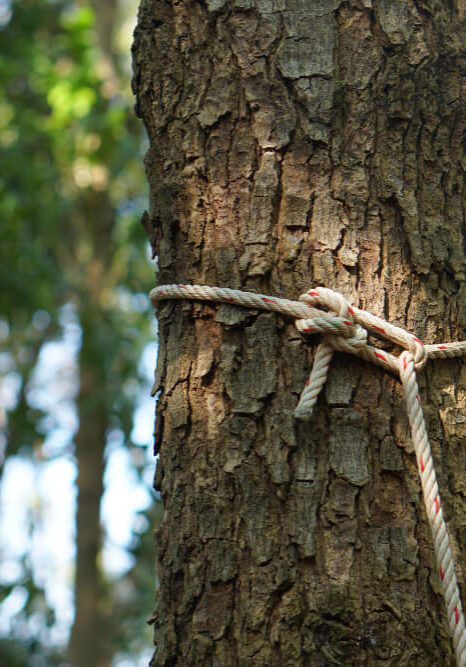
For clients with a high-value specimen that shows structural concerns, tree cable and bracing can support unions and extend service life. The decision follows a certified arborist consultation that weighs wood strength, target zones, and the tree’s response to prior storms. If the determination is that the tree has crossed into dangerous tree assessment and removal territory, we coordinate everything from permits to traffic control. Once the canopy and trunk are down cleanly, we complete the story by grinding the stump and restoring the ground.
A brief casebook from the field
A school courtyard had three maples cut low over the summer by a general contractor who ran out of time before fall classes. The stumps sat proud by two inches, ringed with trip hazards. Access was only through a 36-inch doorway and a polished floor. We rolled in a compact grinder on mats, shielded the glazed corridor with coroplast panels, and processed all three stumps to 10 inches so the landscape crew could set pavers. We screened and saved part of the chips for the vegetable garden, imported clean base for the paver bed, and left the surface plate-compacted and broom-clean. The facilities manager was relieved that not one chip marked the hall.
On a rural property with fire risk, we removed a line of small conifers within ten meters of the home and ground the stumps deep, backfilling with mineral soil. We pruned remaining crowns to increase spacing and lifted branches to reduce ladder fuels. That summer a grass fire approached the property edge. It never found a continuous path to the house. The owner credited careful spacing and clean ground. That is FireSmart thinking made visible.
Another client wanted to plant a fruit tree where a struggling ornamental had been. The old stump hosted a canker fungus. We advised shifting the new tree five feet off center, ground the stump to 12 inches, removed most chips, and blended in fresh loam. The new apple went into healthier soil with sunlight and air it could use. Two seasons later, it is flowering heavily, and suckers from the old root network are nearly gone with routine mowing.
Straight answers to common questions
Do grindings make good mulch? Yes, in the right place. Use them as a coarse mulch under hedges and out of beds that need high nitrogen. Keep them a couple of inches away from plant stems. Do not bury them shallowly where turf will grow, or you will see settling and yellowing. If you want an immediately lawn-ready finish, we haul most grindings and import topsoil.
How deep should you grind? It depends on the surface plan. For lawns, 6 to 10 inches is usually enough. For patios or slabs, 12 to 18 inches plus a lateral sweep. For replanting in the exact spot, deeper grinding or full stump removal may be warranted.
Will the stump regrow? Species with aggressive suckering like poplar, willow, and some maples can send up shoots from lateral roots beyond the grind zone. Regular mowing suppresses them. If needed, we make a short follow-up pass to cut shallow laterals.
Can you grind near utilities or fences? Yes, with care. We locate, expose by hand when close, and sometimes switch to a smaller grinder to reduce risk. If a fence rail or footing is intertwined with roots, we set realistic limits on depth or adjust the work to protect the structure.
What about pests and disease? Grinding removes the above-grade hub for many pests and reduces habitat for some. For root-borne pathogens, we avoid replanting the same species in the same disturbed soil, and we improve drainage and soil biology to support the new planting.
A simple homeowner prep list before stump work
- Mark the sprinkler heads and zones you know about, and share any irrigation drawings you have.
- Move vehicles, furniture, and fragile planters away from the access path and work area.
- Decide if you want to keep grindings for mulch or have us haul them. It changes how we stage the job.
- If you plan new sod or seed, arrange watering for the first week after backfill to help settling.
- Keep pets and kids indoors during grinding. Chips travel fast, and hearing protection is mandatory within the work zone.
When a storm leaves a mess, finish the job all the way to the soil
Emergency tree services exist to remove immediate hazards. A hung-up limb over a driveway or a wind-thrown trunk leaning into lines must come down safely and fast. That urgency is real, and it often separates the takedown from the tidy. We encourage clients to book the stump grinding and backfill as a defined second phase, even if months pass between. It helps with insurance documentation, and it returns the property to a baseline where mowing and yard use feel normal again. A rug over a hole is still a hole. A ground and backfilled stump, properly compacted and graded, is part of real recovery.
Choosing a partner who cares about the finish
Look for a crew that asks about end use, not just inches. Ask what depth they aim for and how they treat laterals. Ask what they will do with chips, what they will import, and how they will compact. Verify they carry general liability and know the utility locate process. If a certified arborist is on staff, you will benefit from broader judgment about site conditions, replanting choices, and species-specific tactics. Quality stump removal and grinding is not glamorous, but it is exacting work. When done well, it disappears into a yard that looks right, drains right, and feels safe underfoot.
Done poorly, it lingers as a low spot and a nag of regret. A spotless finish is not a slogan. It is a series of practiced steps that start before the grinder fires and end after the last chip is swept and the soil sits just a touch proud, ready for what comes next.
Ace Tree Services Ltd.
Name: Ace Tree Services Ltd.Address: 4656 Wallace Hill Road, Kelowna, BC
Postal code: V1W 4C2
Phone: 250-212-9593
Website: https://acetree.ca/
Hours:
Monday: 7:00 AM - 5:00 PM
Tuesday: 7:00 AM - 5:00 PM
Wednesday: 7:00 AM - 5:00 PM
Thursday: 7:00 AM - 5:00 PM
Friday: 7:00 AM - 5:00 PM
Saturday: 7:00 AM - 5:00 PM
Sunday: Closed
Open-location code (plus code): RHF8+8G Kelowna, British Columbia, Canada
Map/listing URL: https://www.google.com/maps/place/Ace+Tree+Services+Ltd./@49.8232606,-119.4337283,659m/data=!3m2!1e3!4b1!4m6!3m5!1s0x537d8b1d074815c5:0x450b88afa7a41435!8m2!3d49.8232606!4d-119.4337283!16s%2Fg%2F11ydkpnh22
Embed iframe:
"@context": "https://schema.org", "@type": "HomeAndConstructionBusiness", "name": "Ace Tree Services Ltd.", "url": "https://acetree.ca/", "telephone": "250-212-9593", "address": "@type": "PostalAddress", "streetAddress": "4656 Wallace Hill Road", "addressLocality": "Kelowna", "addressRegion": "BC", "addressCountry": "CA" , "openingHoursSpecification": [ "@type": "OpeningHoursSpecification", "dayOfWeek": "https://schema.org/Monday", "opens": "07:00", "closes": "17:00" , "@type": "OpeningHoursSpecification", "dayOfWeek": "https://schema.org/Tuesday", "opens": "07:00", "closes": "17:00" , "@type": "OpeningHoursSpecification", "dayOfWeek": "https://schema.org/Wednesday", "opens": "07:00", "closes": "17:00" , "@type": "OpeningHoursSpecification", "dayOfWeek": "https://schema.org/Thursday", "opens": "07:00", "closes": "17:00" , "@type": "OpeningHoursSpecification", "dayOfWeek": "https://schema.org/Friday", "opens": "07:00", "closes": "17:00" ], "geo": "@type": "GeoCoordinates", "latitude": 49.8232606, "longitude": -119.4337283 , "hasMap": "https://www.google.com/maps/place/Ace+Tree+Services+Ltd./@49.8232606,-119.4337283,659m/data=!3m2!1e3!4b1!4m6!3m5!1s0x537d8b1d074815c5:0x450b88afa7a41435!8m2!3d49.8232606!4d-119.4337283!16s%2Fg%2F11ydkpnh22"
Ace Tree Services Ltd. provides professional tree removal, pruning, stump grinding, emergency response, and arborist consultations for properties in Kelowna and across the Okanagan Valley.
The company works with homes, commercial properties, and municipal settings where tree work needs to be planned carefully around buildings, fences, driveways, landscaping, and other site constraints.
Based in Kelowna, the team is positioned to help nearby neighbourhoods and surrounding Okanagan communities with routine tree care and time-sensitive storm cleanup.
Customers looking for careful tree work often want a crew with certified arborist training, insurance, and a methodical approach to higher-risk removals.
Services also include dangerous tree assessment, cabling and bracing, and wildfire risk reduction tree work for properties that need longer-term planning.
To request a quote or discuss tree care options, call 250-212-9593 or visit https://acetree.ca/.
A public map listing is available to help customers confirm the business location and get directions before a site visit or estimate.
For Kelowna property owners who need pruning, removals, or emergency tree help, a local tree service can make it easier to schedule site-specific recommendations and cleanup.
Popular Questions About Ace Tree Services Ltd.
What services does Ace Tree Services Ltd. provide?Ace Tree Services Ltd. lists tree removal, stump removal and grinding, tree pruning and crown shaping, emergency tree service, arborist consultation, dangerous tree assessment and removal, cabling and bracing, and wildfire risk reduction tree work.
Who does Ace Tree Services Ltd. serve?
The company describes its work as serving homes, businesses, and municipalities in Kelowna and across the Okanagan Valley.
Is emergency tree help available?
Yes. Emergency service is listed for downed or uprooted trees, dangerous tree assessment, stabilization work, and branch cleanup. If a tree is near power lines, the safest first step is to stay clear and contact the utility provider before any tree work begins.
Do I always need a permit to remove a tree?
Not always. Permit requirements can depend on where the tree is located and whether it is near a creek, lake, steep slope, or another protected area. It is best to check local rules for the specific property before removal work starts.
How deep does stump grinding usually go?
Standard stump grinding is typically described as going about 6 to 12 inches below ground level, which is often enough for grass or surface landscaping. Deeper grinding may be possible when site plans call for it.
How much of a tree can be safely removed at one time?
That depends on the species, age, health, and structure of the tree. In practice, good pruning is usually about removing the right limbs for health, clearance, and structure rather than chasing a fixed percentage.
What are common signs that a tree may be dangerous?
Large dead limbs, visible cracks, a new lean, root damage, canopy dieback, or storm-related damage can all be warning signs. Trees near structures deserve extra attention when any of those issues appear.
What is cabling and bracing in tree care?
Cabling and bracing are support systems used to reduce the risk of failure in trees with structural weaknesses that may still be worth preserving. They are generally used to add support, not to replace good assessment and ongoing maintenance.
How do I contact Ace Tree Services Ltd.?
Call 250-212-9593.Website: https://acetree.ca/.
Landmarks Near Kelowna, BC
Downtown KelownaThe downtown core is a practical reference point for lakefront neighbourhoods, mixed-use streets, and central residential properties. If your property is near downtown, tree pruning, removals, and cleanup can be planned around tighter access and nearby structures.
Knox Mountain Park
This well-known park north of downtown is a recognizable landmark for nearby homes and hillside properties. If you are close to this area, ask about tree assessment, trimming, or removal work suited to sloped sites.
Mission Creek Greenway
The greenway runs through several parts of Kelowna and is a useful landmark for nearby residential areas. If your property borders or sits near this corridor, site-specific tree planning is especially important.
Pandosy Village
Pandosy is one of Kelowna’s most recognizable neighbourhoods and a common reference point for south-central properties. If you are nearby, request help for pruning, removals, or storm cleanup around homes and small commercial sites.
Rutland
Rutland is a major east Kelowna neighbourhood with a mix of residential and local commercial properties. If you are located in or near Rutland, tree work can be scheduled for both routine maintenance and urgent situations.
Landmark District
This central business-focused area is a practical landmark for offices, service properties, and nearby residential streets. If your site is near the district, ask about careful tree work around parking, access lanes, and built-up lots.
Kelowna’s North End
The North End sits on the edge of downtown and is a useful reference for nearby homes, industrial sites, and commercial properties. If you are in this part of the city, request tree care based on the layout and constraints of the lot.
Airport District
The Airport District is a recognizable north Kelowna reference point for surrounding properties and access routes. If you are in this area, ask about tree services for residential acreage, commercial sites, or roadside cleanup needs.
Glenmore & Dilworth
These established Kelowna neighbourhoods are useful landmarks for central and north-central service calls. If your property is nearby, pruning and removal work can be tailored to mature trees and established landscapes.
Highway 97 Corridor
Highway 97 is one of the city’s main travel routes and a common way to describe location within Kelowna. If your home or property is just off the corridor, a clear landmark reference can help speed up quote scheduling and site planning.