Wildfire Readiness: FireSmart Tree Services Explained
Every summer I walk properties with homeowners who can smell the smoke before they see it. They know that the health of their trees is tied to the safety of their house. They also know that a hurried clear-cut will not solve the problem, and may make it worse by turning a shady, moist lot into a hot, windy fuel bed. FireSmart work is a balance. You aim to remove the fire’s easiest paths, strengthen the trees you keep, and make sure emergency responders have a fair shot when it counts.
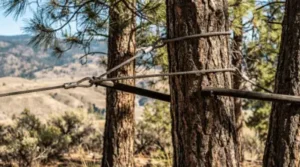
This is where professional tree services meet wildfire science. The best outcomes come from treating the property as a living system, not a pile of tasks. A Certified Arborist Consultation sets the roadmap, then specific treatments follow: pruning to remove ladder fuels, crown shaping to break up continuity, Tree Cable and Bracing to stabilize valued trees, targeted Tree Removal Services for hazards, and Stump Removal & Grinding to eliminate future ignition points. Emergency Tree Services tie it together when storms, heat, or sparks push things over the line.
What FireSmart really means on the ground
At its core, FireSmart work breaks the continuity of fuels around your structures so fire has fewer ways to climb, spread, and generate enough heat to ignite your home. We look at three primary vectors of ignition: embers landing on receptive fuel, radiant heat from large flames, and direct flame contact from surface fire. Most house losses in interface fires come from embers, not walls of flame, which is why small details like bark mulch, wood piles, and low limbs matter as much as a big tree out back.
On site, that translates into a few governing principles:
- Keep the first few meters around the building free of flammable vegetation and debris. Think clean mineral soil, gravel, pavers, and well-hydrated plants with low resin content.
- Remove ladder fuels that let surface fire climb into the canopy. That means low branches on conifers, dense shrubs under trees, and tall grass.
- Interrupt horizontal continuity, so a crown fire cannot hop from treetop to treetop.
- Maintain healthy trees. A vigorous, well pruned tree resists ignition better than a stressed tree full of dead wood.
- Provide access for firefighting and safe egress for you. If engines cannot get up the drive because of leaners or narrow crowns, response slows and risk rises.
FireSmart is not a one-size prescription. On a lakeside lot with mature Douglas-fir over bedrock, we prune higher and thin selectively, leaving deep-rooted trees that moderate wind. In a birch and aspen stand over loam, we favor clumps of deciduous trees that carry less fire in the canopy. On steep slopes, we increase spacing, because flames tilt uphill and preheat fuels above the fire.
How homes catch fire from trees
After a bad fire season, I spend time doing post-incident surveys. A typical pattern: wind carries embers well ahead of the fire front, they pile into fine fuels, and smolder until flame catches siding, a fence, or a porch. Trees matter indirectly. Resinous conifers close to structures throw off embers when they torch. Overhanging limbs drop needles into gutters where they dry to tinder. Low branches feed surface fire upward, so even a ground fire gets tall enough to radiate heat at eaves and windows.
Deciduous trees, particularly species like maple, alder, and aspen, tend to perform better in a fire-prone landscape. They have higher moisture content in leaves during the growing season, they drop leaves annually so there is less persistent resinous fuel, and they do not usually crown fire as readily. This does not make them fireproof. A dead limb, a hollow trunk, or a dry understory can negate those advantages.
Priority zones that shape the work
A FireSmart plan organizes work into concentric zones around your structures. The layout is simple, but the execution benefits from field judgment. Here is a concise checklist I use during site walks:
- Zone 0, within 1.5 meters of the home: Noncombustible materials only. Keep it clean of plantings, bark mulch, wood furniture, and firewood. Metal screens on vents and gutter guards reduce ember lodging.
- Zone 1, 1.5 to 10 meters: Prune conifers to remove lower 2 to 3 meters of branches where feasible, keep lawns green and under 10 cm, replace bark mulch with rock or compacted gravel, and thin shrubs so there is open space between them.
- Zone 2, 10 to 30 meters: Increase spacing between tree crowns, especially among conifers. Break up continuous shrub layers. Remove ladder fuels under retained trees. Maintain drive and turnaround clearances to 4 meters high and wide for apparatus access.
- Extended zone, 30 to 100 meters where you control it: Reduce heavy accumulations of dead and down wood, identify and remove dangerous snags that could fall across escape routes, and maintain breaks in continuous conifer canopy.
- Access and escape: Along driveways and private roads, keep overhead clearance, remove leaning hazard trees, and ensure turnouts and turnarounds are firm and visible.
In many neighborhoods you will not own the full 100 meters, so coordination with neighbors and your municipality becomes part of the job. A good arborist helps you prioritize your footprint while offering language and maps you can share next door.
The role of a Certified Arborist Consultation
If you can only budget one professional visit, make it a Certified Arborist Consultation. A qualified arborist walks the property with a structured eye, identifies species, rates tree health, and maps hazards and treatments. We quantify crown spacing targets, set pruning heights that fit species biology, and flag trees that either deserve preservation or need removal. This consult also pairs wildfire reduction with arboricultural best practice, so you do not trade a short-term reduction in fuels for long-term decline.
A thorough consult covers:
- Species identification and fire behavior tendencies, such as resin content and branching habits.
- Site conditions like slope, aspect, wind exposure, and soils that influence moisture and growth.
- Structural defects, including codominant stems, included bark, old topping wounds, basal decay, root plate issues, and lean.
- Targets and exposure, for example the proximity of bedrooms, play areas, and utility lines.
- Treatment options: Tree Pruning & Crown Shaping, Tree Cable and Bracing, selective thinning, Tree Removal Services, and Stump Removal & Grinding.
On high value trees we sometimes use instruments, like a resistograph to assess internal decay depth, or sonic tomography for complex cavities. This is not just about saving trees for sentiment. A preserved, stable shade tree can cut wind speeds at ground level by 20 to 30 percent, keep surface fuels moist by shading, and improve livability during heat waves.
Dangerous Tree Assessment and Removal
There is a time to preserve and a time to take a tree down. Dangerous Tree Assessment focuses on likelihood of failure and consequences. I look for pronounced lean with soil heave, fungal conks at the base, long vertical cracks, multiple large dead tops, and root damage from grading. Recent fire exposure adds its own markers: scorched bark that flakes away to reveal dead cambium, cracked sapwood that signals structural loss, and crown kill that will soon translate to dead fuel.
When removal is warranted, it should be surgical, not indiscriminate. We rig to prevent collateral damage, especially near critical infrastructure. In FireSmart work we often prioritize the first 10 to 15 meters from structures for aggressive removals of problematic conifers, then transition to thinning and pruning beyond that. If privacy hedging drove earlier plantings, we suggest alternatives that meet both privacy and fire resilience, such as staggered deciduous screens with irrigated understory.
There is a myth that once you cut a tree you have eliminated its fuel. Stumps and roots can remain receptive fuels, and some species sprout vigorously, creating dense, fine fuels the next season. This is why Stump Removal & Grinding is more than cosmetic. Grinding 20 to 30 centimeters below grade, removing grindings in the first meter of a structure, and backfilling with mineral soil or gravel reduces smoldering potential and suppresses suckering. On sprout-prone species like poplar or black locust, we discuss follow-up management to avoid a thicket of new shoots.
Tree Pruning & Crown Shaping for fire resilience
Pruning does two key things for wildfire readiness. It removes ladder fuels and it optimizes tree structure to shed wind, resist breakage, and reduce ember production from dead twigs. For conifers near homes, we often raise the crown to 2 to 3 meters above ground, or to one third of the live crown on younger trees, whichever is less. Taking too much live crown shocks the tree and can drive stress cones and dieback, so cut conservatively and allow recovery.
Within the mid and upper crown, selective thinning reduces density by about 10 to 20 percent, never more than 25 percent in a single cycle. The goal is spacing between lateral branch tips so that crowns do not knit together. This interrupts horizontal continuity and allows wind to pass through, lowering the chance of blowdown. We make reduction cuts to subordinate competing leaders, shaping crowns so load paths are clearer. For hardwoods with heavy end weight over roofs, strategic reduction of long limbs can decrease both failure risk and radiant heat if a fire does approach.
Timing matters. In many regions, winter and early spring pruning reduces disease transmission and pest attraction, while summer pruning lets you see live-dead demarcations clearly but stresses trees more during drought. FireSmart projects sometimes land mid season due to urgency. In those cases we adjust cut sizes and focus on dead and defective removal first, leaving live crown thinning for cooler months.
The small stuff adds up. Removing deadwood down to 2 centimeters in diameter within 10 meters of structures reduces ember shedding. Cleaning conifer cones that pile under drip lines helps too. Where lower limbs on spruce or fir sweep the ground, we cut back enough to allow raking and mowing, since maintenance is the long game in fire readiness.
Tree Cable and Bracing to save the irreplaceable
Some trees are part of a property’s soul. A spreading oak that shades a porch, a landmark cedar that predates the house, or a maple planted for a first child. If structure is compromised but the tree is healthy, Tree Cable and Bracing can buy you decades. We install static steel cables or dynamic synthetic systems high in the canopy to share load between codominant stems, and we use through-bolted or lag-threaded rods to reinforce weak unions lower down.
The technique choice hinges on movement needs and species biology. Dynamic systems allow limited sway and promote reaction wood, helpful for flexible hardwoods. Static systems limit movement more aggressively, suited to brittle species or severe defects. Hardware sizing follows standards relative to stem diameter, and placement generally sits two thirds of the distance from defect to tip. Installed correctly, these systems reduce failure risk in storms and under snow load, which in turn keeps canopy fuel from landing on your roof during a chaotic fire season. They require inspection every 3 to 5 years, and after any major weather event.
Cabling is not a FireSmart silver bullet, but it prevents emergency removals after predictable failures. That means fewer spontaneous fuel piles and less disruption of carefully planned canopy spacing.
Emergency Tree Services when the plan meets reality
Despite the best planning, trees fail. Lightning strikes split a crown, high winds throw a top across the driveway, or a small fire scorches bark and leaves a leaning hazard over the lane. Emergency Tree Services exist to restore safety fast. Crews mobilize with cranes, loaders, rigging gear, and traffic control to clear roads, remove hangers, and stabilize compromised trees that threaten structures. Where utility lines are involved, we coordinate with line crews and follow clearance protocols.
Know when to call for emergency help. If a tree is actively moving or cracking, if it is leaning with fresh soil heave, or if it has hung up in another tree over a structure or access route, do not approach. Tape off the area, keep people and pets away, and make the call. The right response inside the first hour can prevent a secondary loss, especially during a fire when evacuation might be needed.
Case notes from recent seasons
A hillside property I maintain sits on a south facing slope with mixed Douglas-fir, arbutus, and bigleaf maple. In year one, we focused on the first 10 meters: removed two failing firs with basal decay near the deck, pruned three others to a 2.5 meter lift, and ground stumps flush to grade then to 25 centimeters depth within five meters of the home. We replaced bark mulch with crushed basalt around the foundation. In the 10 to 30 meter band, we thinned fir saplings to create 6 to 8 meter crown spacing, removed dead arbutus snags that leaned toward the driveway, and reduced a maple limb over the roof by 30 percent with proper reduction cuts.
The following summer brought a wind event. The driveway stayed clear, no crowns touched. Embers from a fire 4 kilometers away did reach the property, visible as small black flecks. None found purchase in the noncombustible zone, and the regularly cleaned gutters stayed damp from fog drip under retained canopies. The homeowners https://mariorcte767.bearsfanteamshop.com/precision-stump-removal-grinding-for-smooth-lawns-1 reported two smolders in piles of last year’s leaves at the fence line, easily doused with a hose. The difference was not luck alone. It was structure.
Conversely, a lakeshore cabin that opted for aggressive clear-cutting within 30 meters saw grass and brush colonize the site within a season. Without shade, the soil baked, irrigation struggled to keep up, and a grass fire later ran fast across the open area to scorch the cabin siding. We returned to plant clumps of deciduous trees with irrigated understory, restored shaded fuel breaks, and built a noncombustible perimeter. Open does not always mean safer; managed is safer.
Costs, permits, and practical logistics
Budgeting for FireSmart Tree Services depends on access, tree size and count, disposal options, and whether cranes or specialty gear are needed. As rough guidance in many regions:
- A Certified Arborist Consultation with mapping and a written plan sits in the 300 to 800 dollar range for typical residential lots.
- Pruning for ladder fuel removal and crown thinning on mid sized trees often runs 300 to 800 dollars per tree, depending on complexity and access.
- Tree Removal Services vary widely. Small ornamental removals might be 400 to 900 dollars, while large conifers tight to structures can exceed 2,000 to 4,000 dollars each due to rigging, crane time, and traffic control.
- Stump Removal & Grinding typically costs 150 to 500 dollars per stump for residential sizes, more for large conifers with buttress roots.
- Tree Cable and Bracing installations range from 400 to 1,500 dollars per tree for straightforward setups, with complex multi-cable systems higher.
Permitting can surprise homeowners. Many municipalities protect certain species or regulate removals above a trunk diameter threshold. Fire mitigation often qualifies for exemptions, but paperwork still matters. A professional will help navigate bylaws, document Dangerous Tree Assessment findings, and coordinate with utility companies when line clearance or road occupancy is involved.
Debris management is another line item. Chipping on site and spreading chips well away from structures, no deeper than 5 to 7 centimeters, can be appropriate in Zone 2 and beyond. Within 10 meters of structures, remove chips entirely or use them in composting areas that stay moist and are not adjacent to buildings.
Choosing what to plant and what to keep
Not all green is equal in a fire. For replacement and long-term planning, consider species with lower flammability, higher moisture, and favorable structure. In many temperate regions, maple, aspen, alder, beech, and many fruit trees offer better fire behavior than resinous conifers like pine, spruce, or fir. Broadleaf evergreens such as laurel can be problematic due to oil content and dense habit.
Spacing and grouping strategy matters as much as species. Plant deciduous trees in small clumps with open understory and irrigated beds. Keep shrubs separated by at least their mature height in open zones. Maintain a shaded fuel break rather than a wall of vegetation. In riparian corridors, maintain native buffers but manage dead and down wood near structures to limit heavy fuel accumulation.
Irrigation plays a quiet, crucial role. Hydrated plants resist ignition, and moist soil slows fire spread. Drip lines under tree canopies conserve water and target roots without encouraging flashy grass growth. If water is scarce, prioritize Zone 1 for irrigation and mulching with mineral materials rather than organics.
Seasonal rhythm and maintenance
FireSmart gains decay if you let maintenance slide. Build a simple calendar. In late winter, schedule your Tree Pruning & Crown Shaping and inspections of Tree Cable and Bracing hardware. In spring, mow early growth and clear winter blowdown. In summer, keep lawns short and green near structures, check gutters monthly for needles and leaves, and edge back any regrowth of ladder fuels. In fall, remove leaf piles from the first 10 meters and reassess crown spacing as canopies expand.
One property I manage uses a two hour monthly yard day from April through October. They focus on three tasks per visit: clear accumulations in Zone 0, mow and trim back ladder fuels in Zone 1, and walk the driveway to spot new leaners or dead tops. It costs time, not much money, and it dramatically reduces the load during red flag weeks.
Working with neighbors and the landscape beyond your fence
Wildfire does not respect parcel lines. If your neighbor’s tree overhangs your roof or their tall hedges sit three meters from your siding, your best defense includes diplomacy. Share your arborist’s written plan, offer to cost share pruning on boundary trees, and coordinate chipping days. Many FireSmart rebates now reward neighborhood scale action. In one cul-de-sac I work in, five households pooled funds for a weekend of thinning and pruning. The per lot cost dropped by 30 percent because the crew stayed on site, moved equipment once, and chipped continuously.
For properties bordering public land or utilities, ask about coordinated fuel reduction. Roadside thinning, ditch mowing, and removal of hazard trees along egress routes help the whole community. Keep in mind wildlife and nesting seasons. We schedule heavy work outside peak nesting months where possible, and we retain wildlife snags at safe distances from structures to maintain habitat without compromising safety.
When tree services and building details intersect
Arborists cannot fix a wooden deck stacked with firewood under resinous branches. FireSmart Tree Services work best alongside building upgrades. Evaluate attic and foundation vents for ember screening at 3 millimeters or less, use noncombustible fencing at least the first 1.5 meters from the house, and choose Class A roofing where replacements are due. Keep propane tanks on cleared pads, move wood piles at least 10 meters from structures, and tie vegetation choices to hardscape.
We also look at how trees interact with roofs and walls over time. Species with brittle summer limbs over a metal roof can be acceptable with regular reduction. Resinous conifers brushing a cedar shake roof are not. If a heritage tree must remain near the house, combine careful pruning, a noncombustible perimeter, and dedicated gutter maintenance to keep ember traps empty.
A realistic, staged approach
Not every property can afford to do everything at once. The highest return usually comes from a three stage plan across two to three years. Year one focuses on Zone 0 and Zone 1 with pruning, removals of immediate hazards, and Stump Removal & Grinding near structures. Year two pushes into Zone 2 to establish canopy spacing, ladder fuel reduction, and driveway clearances. Year three refines with Tree Cable and Bracing on select trees, plant replacements, and a maintenance rhythm.
During red flag warnings, keep a short trigger list ready for Emergency Tree Services. A cracked leader over the only driveway, a windthrown tree hung up over the roof, or a burned snag leaning toward power lines are not wait and see issues. Quick action maintains access and buys firefighters options if they need to defend the structure.
Why this work feels worth doing
Fire seasons have grown longer and drier in many regions, and people feel the edge of that change in their own yards. I have watched crews finish a long day of pruning and thinning, step back, and feel the air move differently under a lifted crown. The space around the home looks ordered, not stripped. The trees that remain stand with light between them, their lower branches off the grass, their crowns balanced. You can walk a fire engine under the driveway canopy without scratching mirrors. Embers will still fly someday, but they will find clean gravel near the foundation and gutters that hold water, not needles.
Done well, FireSmart Tree Services do not fight the forest. They work with tree biology, with site conditions, and with the reality that people love shade, birds, and green views. The craft lies in keeping those gifts while taking fire’s easiest routes away. And that takes more than a chainsaw. It takes judgment, care, and follow through.
Ace Tree Services Ltd.
Name: Ace Tree Services Ltd.Address: 4656 Wallace Hill Road, Kelowna, BC
Postal code: V1W 4C2
Phone: 250-212-9593
Website: https://acetree.ca/
Hours:
Monday: 7:00 AM - 5:00 PM
Tuesday: 7:00 AM - 5:00 PM
Wednesday: 7:00 AM - 5:00 PM
Thursday: 7:00 AM - 5:00 PM
Friday: 7:00 AM - 5:00 PM
Saturday: 7:00 AM - 5:00 PM
Sunday: Closed
Open-location code (plus code): RHF8+8G Kelowna, British Columbia, Canada
Map/listing URL: https://www.google.com/maps/place/Ace+Tree+Services+Ltd./@49.8232606,-119.4337283,659m/data=!3m2!1e3!4b1!4m6!3m5!1s0x537d8b1d074815c5:0x450b88afa7a41435!8m2!3d49.8232606!4d-119.4337283!16s%2Fg%2F11ydkpnh22
Embed iframe:
Ace Tree Services Ltd. provides professional tree removal, pruning, stump grinding, emergency response, and arborist consultations for properties in Kelowna and across the Okanagan Valley.
The company works with homes, commercial properties, and municipal settings where tree work needs to be planned carefully around buildings, fences, driveways, landscaping, and other site constraints.
Based in Kelowna, the team is positioned to help nearby neighbourhoods and surrounding Okanagan communities with routine tree care and time-sensitive storm cleanup.
Customers looking for careful tree work often want a crew with certified arborist training, insurance, and a methodical approach to higher-risk removals.
Services also include dangerous tree assessment, cabling and bracing, and wildfire risk reduction tree work for properties that need longer-term planning.
To request a quote or discuss tree care options, call 250-212-9593 or visit https://acetree.ca/.
A public map listing is available to help customers confirm the business location and get directions before a site visit or estimate.
For Kelowna property owners who need pruning, removals, or emergency tree help, a local tree service can make it easier to schedule site-specific recommendations and cleanup.
Popular Questions About Ace Tree Services Ltd.
What services does Ace Tree Services Ltd. provide?Ace Tree Services Ltd. lists tree removal, stump removal and grinding, tree pruning and crown shaping, emergency tree service, arborist consultation, dangerous tree assessment and removal, cabling and bracing, and wildfire risk reduction tree work.
Who does Ace Tree Services Ltd. serve?
The company describes its work as serving homes, businesses, and municipalities in Kelowna and across the Okanagan Valley.
Is emergency tree help available?
Yes. Emergency service is listed for downed or uprooted trees, dangerous tree assessment, stabilization work, and branch cleanup. If a tree is near power lines, the safest first step is to stay clear and contact the utility provider before any tree work begins.
Do I always need a permit to remove a tree?
Not always. Permit requirements can depend on where the tree is located and whether it is near a creek, lake, steep slope, or another protected area. It is best to check local rules for the specific property before removal work starts.
How deep does stump grinding usually go?
Standard stump grinding is typically described as going about 6 to 12 inches below ground level, which is often enough for grass or surface landscaping. Deeper grinding may be possible when site plans call for it.
How much of a tree can be safely removed at one time?
That depends on the species, age, health, and structure of the tree. In practice, good pruning is usually about removing the right limbs for health, clearance, and structure rather than chasing a fixed percentage.
What are common signs that a tree may be dangerous?
Large dead limbs, visible cracks, a new lean, root damage, canopy dieback, or storm-related damage can all be warning signs. Trees near structures deserve extra attention when any of those issues appear.
What is cabling and bracing in tree care?
Cabling and bracing are support systems used to reduce the risk of failure in trees with structural weaknesses that may still be worth preserving. They are generally used to add support, not to replace good assessment and ongoing maintenance.
How do I contact Ace Tree Services Ltd.?
Call 250-212-9593.Website: https://acetree.ca/.
Landmarks Near Kelowna, BC
Downtown KelownaThe downtown core is a practical reference point for lakefront neighbourhoods, mixed-use streets, and central residential properties. If your property is near downtown, tree pruning, removals, and cleanup can be planned around tighter access and nearby structures.
Knox Mountain Park
This well-known park north of downtown is a recognizable landmark for nearby homes and hillside properties. If you are close to this area, ask about tree assessment, trimming, or removal work suited to sloped sites.
Mission Creek Greenway
The greenway runs through several parts of Kelowna and is a useful landmark for nearby residential areas. If your property borders or sits near this corridor, site-specific tree planning is especially important.
Pandosy Village
Pandosy is one of Kelowna’s most recognizable neighbourhoods and a common reference point for south-central properties. If you are nearby, request help for pruning, removals, or storm cleanup around homes and small commercial sites.
Rutland
Rutland is a major east Kelowna neighbourhood with a mix of residential and local commercial properties. If you are located in or near Rutland, tree work can be scheduled for both routine maintenance and urgent situations.
Landmark District
This central business-focused area is a practical landmark for offices, service properties, and nearby residential streets. If your site is near the district, ask about careful tree work around parking, access lanes, and built-up lots.
Kelowna’s North End
The North End sits on the edge of downtown and is a useful reference for nearby homes, industrial sites, and commercial properties. If you are in this part of the city, request tree care based on the layout and constraints of the lot.
Airport District
The Airport District is a recognizable north Kelowna reference point for surrounding properties and access routes. If you are in this area, ask about tree services for residential acreage, commercial sites, or roadside cleanup needs.
Glenmore & Dilworth
These established Kelowna neighbourhoods are useful landmarks for central and north-central service calls. If your property is nearby, pruning and removal work can be tailored to mature trees and established landscapes.
Highway 97 Corridor
Highway 97 is one of the city’s main travel routes and a common way to describe location within Kelowna. If your home or property is just off the corridor, a clear landmark reference can help speed up quote scheduling and site planning.